
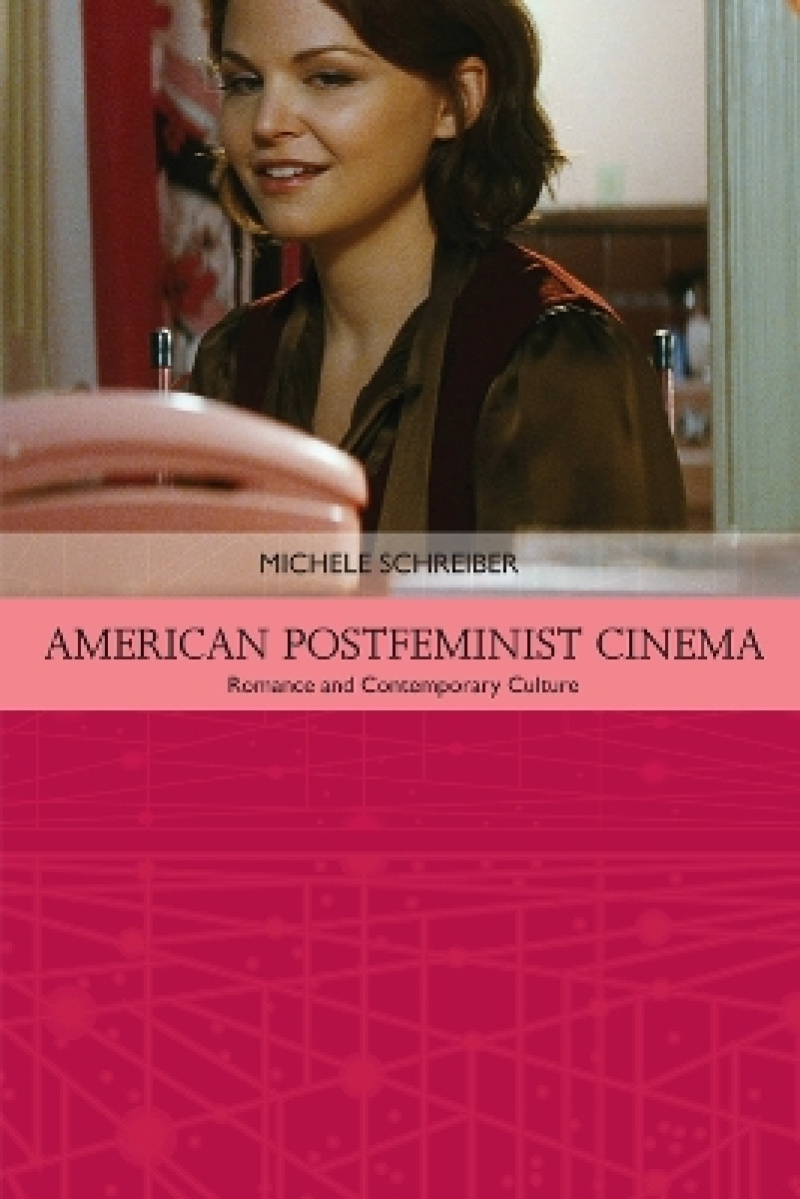

American Postfeminist Cinema Women, Romance and Contemporary Culture
Produktdetaljer
Biografisk notat
Michele Schreiber is Associate Professor of Film and Media Studies at Emory University. She is the author of American Postfeminist Cinema: Women, Romance and Contemporary Culture (Edinburgh University Press, 2014) and articles on postfeminist media and contemporary independent and Hollywood filmmakers. Her work has appeared in Journal of Film and Video and anthologies including American Independent Cinema: Indie, Indiewood and Beyond, Feminism at the Movies and Reclaiming the Archive: Feminism and Film History.Schreiber’s text provides a valuable insight into the continued influence of postfeminist anxieties surrounding heterosexual romance on contemporary American cinema. Her framework of the conventions of the ‘postfeminist romance cycle’ offers a useful method for analysis that could be expanded upon in further research projects. The text will be of interest to scholars in the fields of gender and sexuality, film and romance, in addition to cultural historians and researchers of American Studies in general.
- Krystina Osborne, Liverpool John Moores University, CERCLES
In her well-researched and cogently argues book, Michele Schreiber explores the disconnect between the reality of women’s personal, economic, and social gains and cinematic representations of women in the twenty-first century.'
- Sarita Cannon, Journal of Popular Film and Television
In her well-researched and cogently argues book, Michele Schreiber explores the disconnect between the reality of women’s personal, economic, and social gains and cinematic representations of women in the twenty-first century.'
- Sarita Cannon, Journal of Popular Film and Television
Michele Schreiber’s nuanced, hugely rewarding book is a brilliant analysis of the ways in which the mythology of heterosexual romance continues to regulate as well as to complicate the conventions of postfeminist cinema. Dissolving boundaries between comedy and drama, film and other media, she offers original and lively readings of an array of films that demand mixed responses, concentrating on key topics such as nostalgia, ‘girlhood’, the tensions between female dependency and autonomy, all in a clear and accessible style.
Peter William Evans, Queen Mary, University of London