

Product details
Biographical note
Mary Renault (1905-1983) was born in London and educated at St Hughs, Oxford. She trained as a nurse at Oxford's Radcliffe Infirmary, where she met her lifelong partner, Julie Mullard. Her first novel, Purposes of Love, was published in 1937. In 1948, after North Face won a MGM prize worth $150,000, she and Mullard emigrated to South Africa. There, Renault was able to write forthrightly about homosexual relationships for the first time - in her masterpiece, The Charioteer (1953), and then in her first historical novel, The Last of the Wine (1956). Renault's vivid novels set in the ancient world brought her worldwide fame. In 2010 Fire From Heaven was shortlisted for the Lost Booker of 1970.Undeniably charming . . . has an enormous nostalgic attractiveness
New Yorker
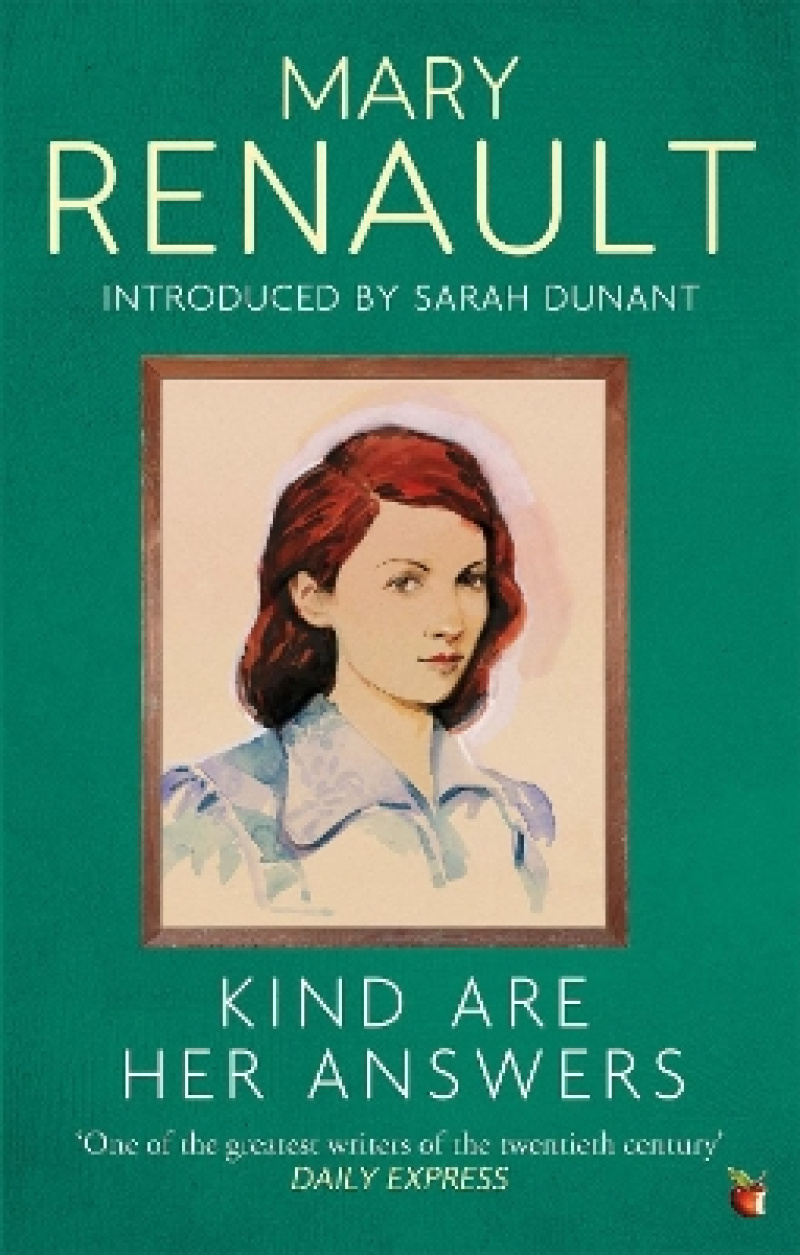
Kit Anderson is married to Janet, a beautiful but narcissistic woman who seems more shallow to him as time goes by. Their relationship has become strained and cold. Immersing himself in his work as a doctor, Anderson takes consolation in his career. Then, one night he is called out to a dying patient, and meets Christie, who is taking care of her aunt. Warm and vivacious, Christie stands in stark contrast to Janet, providing the passion and intimacy that has been missing from his life.
How long can their affair be kept secret and does Kit want what is best for Christie, or only for himself? In this assured, vivid novel, Mary Renault showcases the talents that would make her one of the twentieth century's most beloved novelists.