

Produktdetaljer
ISBN
9781400827473
Publisert
2013
Utgiver
Princeton University Press
Språk
Product language
Engelsk
Format
Product format
Digital bok
Antall sider
288
Forfatter
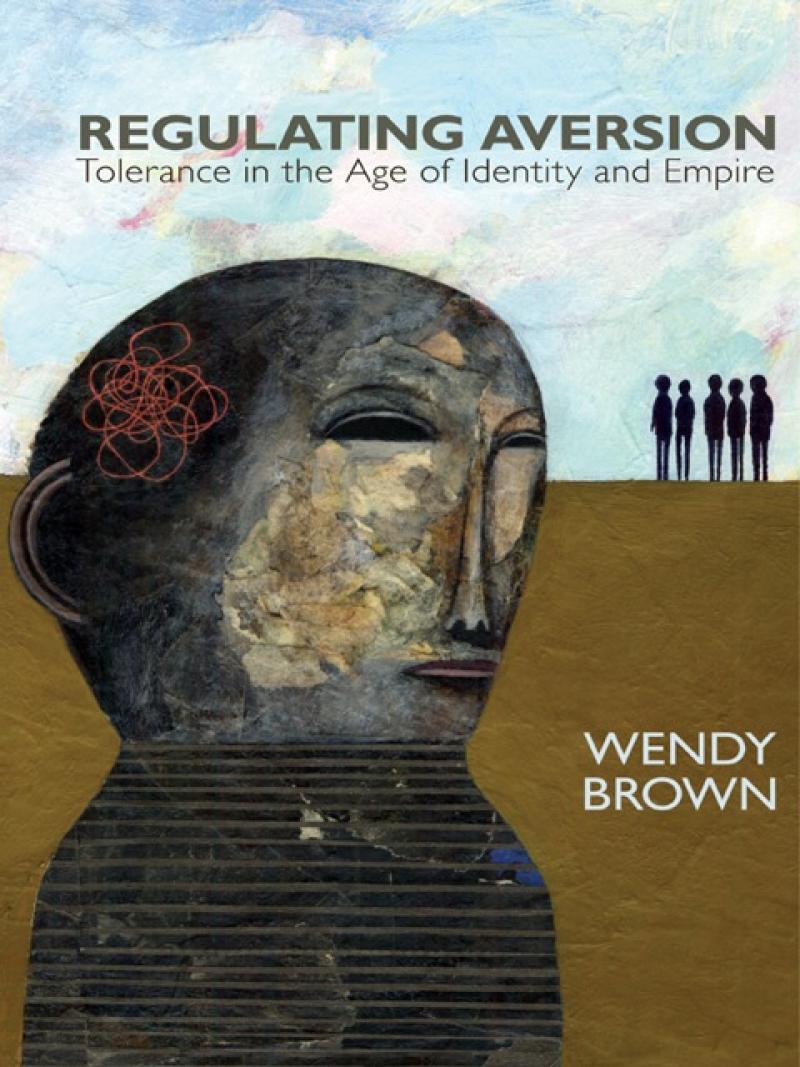
Tolerance is generally regarded as an unqualified achievement of the
modern West. Emerging in early modern Europe to defuse violent
religious conflict and reduce persecution, tolerance today is hailed
as a key to decreasing conflict across a wide range of other dividing
lines-- cultural, racial, ethnic, and sexual. But, as political
theorist Wendy Brown argues in Regulating Aversion, tolerance also has
dark and troubling undercurrents. Dislike, disapproval, and regulation
lurk at the heart of tolerance. To tolerate is not to affirm but to
conditionally allow what is unwanted or deviant. And, although
presented as an alternative to violence, tolerance can play a part in
justifying violence--dramatically so in the war in Iraq and the War on
Terror. Wielded, especially since 9/11, as a way of distinguishing a
civilized West from a barbaric Islam, tolerance is paradoxically
underwriting Western imperialism. Brown's analysis of the history and
contemporary life of tolerance reveals it in a startlingly unfamiliar
guise. Heavy with norms and consolidating the dominance of the
powerful, tolerance sustains the abjection of the tolerated and
equates the intolerant with the barbaric. Examining the operation of
tolerance in contexts as different as the War on Terror, campaigns for
gay rights, and the Los Angeles Museum of Tolerance, Brown traces the
operation of tolerance in contemporary struggles over identity,
citizenship, and civilization.
Les mer
Tolerance in the Age of Identity and Empire
Produktdetaljer
ISBN
9781400827473
Publisert
2013
Utgiver
Princeton University Press
Språk
Product language
Engelsk
Format
Product format
Digital bok
Antall sider
288
Forfatter