

Produktdetaljer
ISBN
9780191604522
Publisert
2020
Utgiver
Oxford University Press Academic UK
Språk
Product language
Engelsk
Format
Product format
Digital bok
Forfatter
Digital bok /
2020
/ Engelsk
153,-
Laveste pris siste 30 dager: 153,-
Dette er en digital bok som er bundet til bokleseren Bookshelf. Du vil få en aktiveringslenke på e-post når du har fullført kjøpet.
Klikk her for mer info.

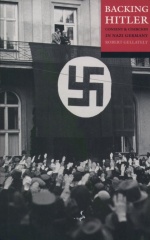

The Nazis never won a majority in free elections, but soon after
Hitler took power most people turned away from democracy and backed
the Nazi regime. Hitler won growing support even as he established the
secret police (Gestapo) and concentration camps. What has been in
dispute for over fifty years is what the Germans knew about these
camps, and in what ways were they involved in the persecution of 'race
enemies', slave workers, and social outsiders. To answer these
questions, and to explore the public sides of Nazi persecution, Robert
Gellately has consulted an array of primary documents. He argues that
the Nazis did not cloak their radical approaches to 'law and order' in
utter secrecy, but played them up in the press and loudly proclaimed
the superiority of their system over all others. They publicized their
views by drawing on popular images, cherished German ideals, and long
held phobias, and were able to win over converts to their cause. The
author traces the story from 1933, and shows how war and especially
the prospect of defeat radicalized Nazism. As the country spiralled
toward defeat, Germans for the most part held on stubbornly. For
anyone who contemplated surrender or resistance, terror became the
order of the day.
Les mer
Consent and Coercion in Nazi Germany
The Nazis never won a majority in free elections, but soon after
Hitler took power most people turned away from democracy and backed
the Nazi regime. Hitler won growing support even as he established the
secret police (Gestapo) and concentration camps. What has been in
dispute for over fifty years is what the Germans knew about these
camps, and in what ways were they involved in the persecution of 'race
enemies', slave workers, and social outsiders. To answer these
questions, and to explore the public sides of Nazi persecution, Robert
Gellately has consulted an array of primary documents. He argues that
the Nazis did not cloak their radical approaches to 'law and order' in
utter secrecy, but played them up in the press and loudly proclaimed
the superiority of their system over all others. They publicized their
views by drawing on popular images, cherished German ideals, and long
held phobias, and were able to win over converts to their cause. The
author traces the story from 1933, and shows how war and especially
the prospect of defeat radicalized Nazism. As the country spiralled
toward defeat, Germans for the most part held on stubbornly. For
anyone who contemplated surrender or resistance, terror became the
order of the day.
Les mer
Consent and Coercion in Nazi Germany
Produktdetaljer
ISBN
9780191604522
Publisert
2020
Utgiver
Oxford University Press Academic UK
Språk
Product language
Engelsk
Format
Product format
Digital bok
Forfatter