

Produktdetaljer
ISBN
9780691248196
Publisert
2023
Utgiver
Princeton University Press
Språk
Product language
Engelsk
Format
Product format
Digital bok
Forfatter
Digital bok /
2023
/ Engelsk
265,-
Laveste pris siste 30 dager: 265,-
Dette er en digital bok som er bundet til bokleseren Bookshelf. Du vil få en aktiveringslenke på e-post når du har fullført kjøpet.
Klikk her for mer info.
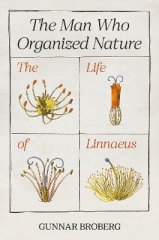

A vivid portrait of the life and work of Carl Linnaeus Carl Linnaeus
(1707–1778), known as the father of modern biological taxonomy,
formalized and popularized the system of binomial nomenclature used to
classify plants and animals. Linnaeus himself classified thousands of
species; the simple and immediately recognizable abbreviation “L”
is used to mark classifications originally made by Linnaeus. This
biography, by the leading authority on Linnaeus, offers a vivid
portrait of Linnaeus’s life and work. Drawing on a wide range of
previously unpublished sources—including diaries and personal
correspondence—as well as new research, it presents revealing and
original accounts of his family life, the political context in which
he pursued his work, and his eccentric views on sexuality. The Man Who
Organized Nature describes Linnaeus’s childhood in a landscape of
striking natural beauty and how this influenced his later work.
Linnaeus’s Lutheran pastor father, knowledgeable about plants and an
enthusiastic gardener, helped foster an early interest in botany. The
book examines the political connections that helped Linnaeus secure
patronage for his work, and untangles his ideas about sexuality. These
were not, as often assumed, an attempt to naturalize gender categories
but more likely reflected the laissez-faire attitudes of the era.
Linnaeus, like many other brilliant scientists, could be moody and
egotistical; the book describes his human failings as well as his
medical and scientific achievements. Written in an engaging and
accessible style, The Man Who Organized Nature provides new and
fascinating insights into the life of one of history’s most
consequential and enigmatic scientists.
Les mer
The Life of Linnaeus
A vivid portrait of the life and work of Carl Linnaeus Carl Linnaeus
(1707–1778), known as the father of modern biological taxonomy,
formalized and popularized the system of binomial nomenclature used to
classify plants and animals. Linnaeus himself classified thousands of
species; the simple and immediately recognizable abbreviation “L”
is used to mark classifications originally made by Linnaeus. This
biography, by the leading authority on Linnaeus, offers a vivid
portrait of Linnaeus’s life and work. Drawing on a wide range of
previously unpublished sources—including diaries and personal
correspondence—as well as new research, it presents revealing and
original accounts of his family life, the political context in which
he pursued his work, and his eccentric views on sexuality. The Man Who
Organized Nature describes Linnaeus’s childhood in a landscape of
striking natural beauty and how this influenced his later work.
Linnaeus’s Lutheran pastor father, knowledgeable about plants and an
enthusiastic gardener, helped foster an early interest in botany. The
book examines the political connections that helped Linnaeus secure
patronage for his work, and untangles his ideas about sexuality. These
were not, as often assumed, an attempt to naturalize gender categories
but more likely reflected the laissez-faire attitudes of the era.
Linnaeus, like many other brilliant scientists, could be moody and
egotistical; the book describes his human failings as well as his
medical and scientific achievements. Written in an engaging and
accessible style, The Man Who Organized Nature provides new and
fascinating insights into the life of one of history’s most
consequential and enigmatic scientists.
Les mer
The Life of Linnaeus
Produktdetaljer
ISBN
9780691248196
Publisert
2023
Utgiver
Princeton University Press
Språk
Product language
Engelsk
Format
Product format
Digital bok
Forfatter